
屏幕上那张效果图美得无可挑剔,颜色、烫金、版面都对。可真把盒子拿在手里,却发现板偏软、磁吸闭得不够干脆、面纸的金跟屏幕上完全是两回事。The render on screen looks flawless — color, foil and layout all right. Then the actual box lands in your hand: the board feels soft, the magnet doesn’t snap shut cleanly, and the gold on the wrap is nothing like the gold on the screen.
这就是打样存在的理由。模拟只是第一步,摸得着才是真可靠。它把“看起来对”变成“拿在手里也对”,把量产前最贵的那类错误,挡在量产之前。读懂打样的三种形式,你才知道每一轮该确认什么、不该指望什么。That gap is why sampling exists. A screen mockup is step one — you trust what you can hold. It turns "looks right" into "feels right in hand," and it stops the most expensive class of mistake before the run begins. Understand the three kinds of sample and you’ll know what to confirm at each stage — and what not to expect from it.
本文目录In this article
为什么一定要打样Why a physical sample de-risks the whole order
包装是结构件,不是图片。一只盒子拿在手里的分量、开合的手感、磁吸“咔哒”闭合的那一下、内托托住产品的松紧——这些都不是效果图能告诉你的。屏幕能模拟样子,却模拟不了挺度、闭合与触感。Packaging is a physical object, not a picture. The heft of a box in hand, the feel of the open, the click of a magnet closing, how snugly a tray holds the product — none of that comes through in a render. A screen can simulate the look; it cannot simulate stiffness, closure and touch.
量产前犯的错最便宜,量产后犯的错最贵。一旦几千只盒子做出来才发现板偏软、颜色偏色、内托卡不住,返工的代价远高于多打一轮样。打样的本质,是用一只样的成本,挡住一整批的风险。A mistake caught before the run is cheap; the same mistake caught after it is not. Once a few thousand boxes are made and the board turns out soft, the color off, or the tray loose, reworking costs far more than one more sample round. Sampling trades the cost of one piece against the risk of the whole batch.
一家能从打样一路做到量产、再到品控的工厂,给你的样和最终交付才是同一种语言。映捷自 1987 年起自产灰板,打样、生产与品控在同一条链路上——样上确认的,就是量产要还原的。A maker that runs sampling through to production and on into QC gives you a sample that speaks the same language as the final delivery. Yingjie has milled its own gray board since 1987, with sampling, production and QC on one chain — so what you sign off on the sample is what the run is built to reproduce.
三种样,各自确认什么The three samples, and what each one confirms
“打样”不是一种动作,而是三类不同目的的样。它们确认的东西不同、做得快慢不同、还原真实度也不同。混着用、或拿错一种去下结论,是最常见的误会:Sampling isn’t one thing — it’s three different samples with three different jobs. They confirm different things, take different amounts of time, and reproduce reality to different degrees. Mixing them up — or drawing a conclusion from the wrong one — is the most common mistake:
① 白盒样 / 结构样(White dummy)① White dummy / structural sample
用真实板材做、但不印刷的素白盒子。它要回答的是结构对不对:尺寸合不合适、盒型开合顺不顺、板的厚度与挺度够不够、磁吸或抽屉的闭合到不到位、内托能不能稳稳托住产品。最快、最便宜的一轮,却往往最关键——因为结构错了,再漂亮的印刷都救不回来。A plain, unprinted box built from the real board. Its job is to answer whether the structure is right: do the dimensions fit, does the box open smoothly, is the board thick and stiff enough, does the magnet or drawer close properly, does the tray hold the product securely. The fastest and cheapest round, yet often the most important — because no amount of beautiful print rescues a structure that’s wrong.
② 数码样(Digital proof)② Digital proof
用数码设备快速印出的样,用来确认版面与色彩方向:文字排版、图案位置、logo 大小、整体配色对不对。它最大的优点是快、成本低,适合在设计阶段反复看版。但要记住一句话:数码样的颜色不是最终颜色。它和正式印刷(如胶印、专色)所用的设备、油墨、纸张都不同,颜色只能看“方向”,不能当“定稿色”。A fast proof printed digitally, used to confirm the layout and color direction: type, image placement, logo size, the overall palette. Its strengths are speed and low cost — ideal for iterating on layout during design. But keep one thing in mind: the color on a digital proof is not the final color. It uses different equipment, inks and stock than the production press (offset, spot colors), so read it for direction, never as a locked color.
③ 正式样 / 量产样(Production sample)③ Production sample
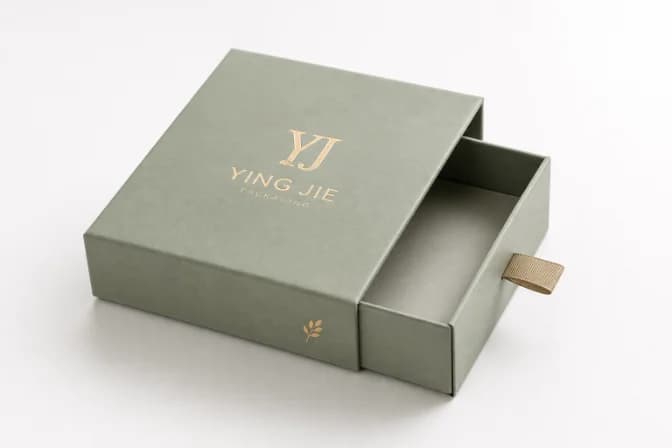
用真实材料 + 真实印刷工艺 + 真实表面处理做出来的样——和量产用的是同一种料、同一套工艺。它要确认的是“最终成品到底长什么样、摸起来什么感觉”:实际的专色、烫金的成色、覆膜的哑光或亮光、压纹的深浅、内托的贴合。这是量产前的 go / no-go——签了它,就是量产的标准件。A sample made with the real material, the real print process and the real finishing — the same stock and the same process as the run. It confirms what the finished piece actually looks and feels like: the real spot color, how the foil reads, the matte or gloss of the lamination, the depth of an emboss, the fit of the tray. This is the go / no-go before volume — sign it, and it becomes the reference piece the run is held to.
怎么读一只样How to actually read a sample
拿到样别只看“好不好看”。按下面几点逐一上手确认,才不会把问题留到量产:When a sample arrives, don’t just judge whether it looks good. Work through these by hand, one at a time, so nothing slips through to the run:
- 挺度:用拇指轻压盒面与边角,是“挺括回弹”还是“一压发塌”?这关乎板材,是质感的下限。Stiffness: press the panel and a corner with your thumb — does it stay crisp and spring back, or cave? This is the board, and it’s the floor of how the box feels.
- 闭合:反复开合十几次。磁吸够不够干脆、天地盖松紧合不合适、抽屉推拉顺不顺、有没有自开或卡顿。Closure: open and close it a dozen times. Does the magnet snap cleanly, is the lid neither tight nor loose, does the drawer slide smoothly — any springing open or sticking?
- 颜色:在自然光下看,别只在屏幕色光或单一灯下判断。重点色(品牌色、专色)尤其要在正式样上确认。Color: judge it in daylight, not under screen light or a single lamp. Key colors — brand colors, spot colors — should be confirmed on the production sample especially.
- 工艺 / 表面:烫金亮不亮、覆膜是不是想要的哑 / 亮、压纹深浅、UV 与击凸的位置和质感对不对。Finish: is the foil as bright as intended, is the lamination the matte or gloss you wanted, the emboss the right depth, the UV and deboss in the right place and texture?
- 内托贴合:把真实产品(或等大替代物)放进去,确认零晃动、好取放、定位准——不松、不紧、不刮。Insert fit: place the real product (or a same-size stand-in) inside — confirm zero rattle, easy in-and-out, accurate location: not loose, not tight, not scuffing.
| 样品类型Sample | 确认什么Confirms | 材料与印刷真实度How real (material & print) | 何时用When to use |
|---|---|---|---|
| 白盒样 / 结构样White dummy | 结构、尺寸、板感、闭合Structure, size, board feel, closure | 真实板材 · 不印刷Real board · no print | 定结构、敲定盒型时Locking structure & box type |
| 数码样Digital proof | 版面、配色方向Layout, color direction | 仿真印刷 · 颜色非终色Simulated print · color not final | 设计阶段快速看版Fast layout review in design |
| 正式样 / 量产样Production sample | 成品手感、专色、工艺成色Finished feel, spot color, finish | 真实材料 + 真实工艺Real material + real process | 量产前的 go / no-goThe go / no-go before volume |
常见问题FAQ
采购前最常被问到的几个问题。The questions buyers ask most before they commit.
打样收费吗?要多少钱?Is sampling charged, and how much?
打样要打几轮?How many rounds of sampling are there?
数码样的颜色能当最终颜色吗?Can I treat the digital proof’s color as final?
只看白盒样就够了吗?Is a white dummy alone enough?
一家愿意打样的工厂,是好信号吗?Is a maker that samples a good sign?
想在量产前,先把盒子拿在手里确认?Want to hold the box in your hand before committing to a run?
把你的盒型、产品与工艺要求告诉我们,映捷会从白盒样到正式样陪你走完确认——挺度、闭合、颜色、内托一项项摸过,再进量产。Tell us your box, your product and the finishes you want — we’ll walk you from white dummy to production sample, checking stiffness, closure, color and tray fit by hand before any volume run.
一对一回复 · 初步可行性意见 · 参考样片清单与时间表Direct reply · Feasibility notes · Sample list · Indicative timeline